
👉 “Why Money Might Be the Root of Economic Inequality”
Money is often treated as a neutral tool — a way to exchange value.
But what if money itself is the problem?This post explores how modern economic systems create inequality, scarcity, and instability — and whether a post-scarcity model could replace them.
“No one can serve two masters, for a slave will either hate the one and love the other or be devoted to the one and despise the other. You cannot serve God and wealth.” – Jesus
“The acquisition of wealth is no longer the driving force in our lives.” – Captain Picard
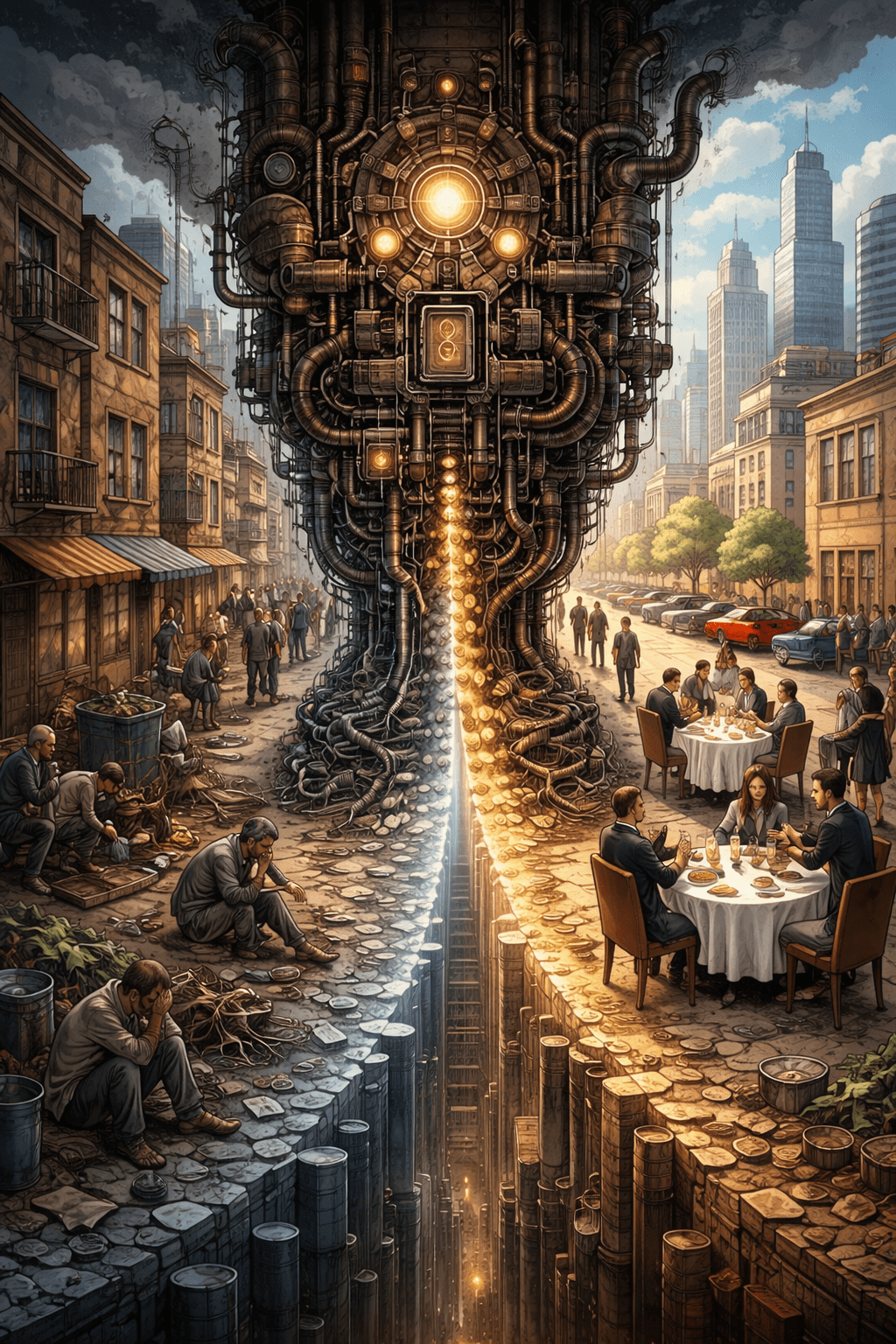
Whether from the distant past, or the projected future, there is persistent thought that echoes all throughout the body.
Something is fundamentally wrong.
It is literally killing us.
And we’ve trained ourselves to call it “neutral.”
If we are to credibly create a future where Captain Picard exists, we need to be done with money altogether. But before this, let’s talk about all the issues currency has.
The first problem with money is simple:
It does not die.

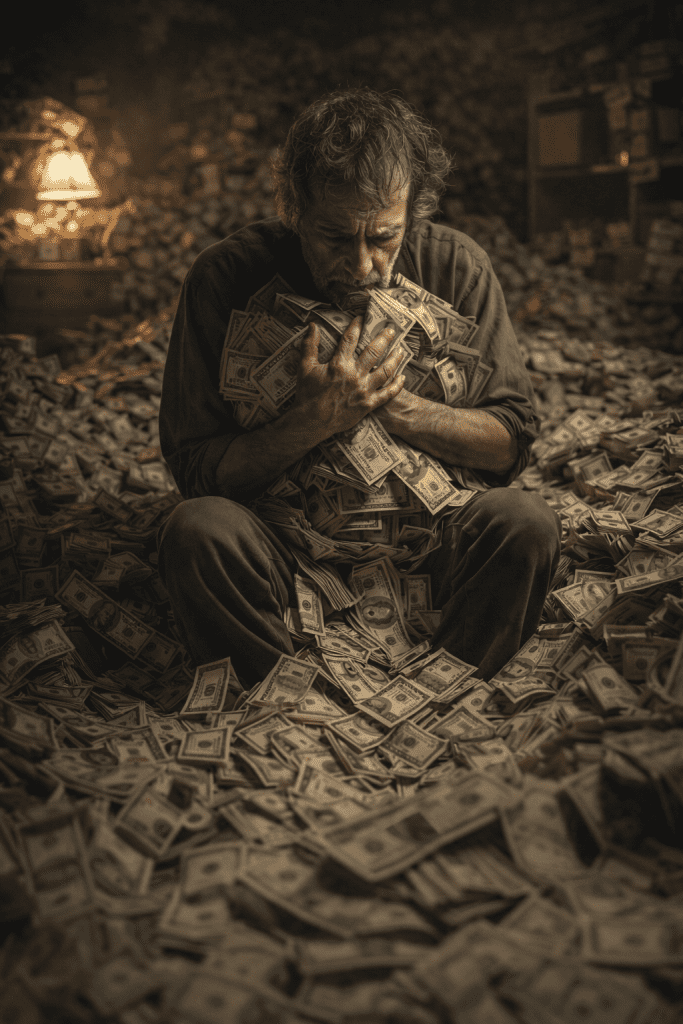
Money doesn’t age. It doesn’t decay. We do. If we use immortal currency, then it necessarily leads to hoarding. Immortal wealth must pool into the hands of the few. If currency had an expiration date, the world would be a different place.
Proponents of currency will tell you of the ‘fixes’ that they found for and ‘won.’ As a public policy, The Federal Reserve aims to create 2% inflation annually. The is to prevent hoarding of wealth. Is it working? Also, taxes are meant to be an equalizer. The wealthiest among us always pay the least in taxes.
Why Money Creates Artificial Scarcity?
As currency pools in one direction, those without currency will suffer from scarcity. This isn’t the real world though. If the only access is money, then
The next issue, is that currency has no intrinsic value. I can’t consume or use money in any way. Ultimately the value of money is nothing more than collective belief and system enforcement. Which leads to exploits within the system. Individuals who can influence other people’s perceptions can manipulate the value of a thing. That last statement was broad on purpose. Money separates value… from reality itself.
The next issue is when people form closed economic systems. What does this mean? A group of people plan together to only buy goods and services from each other. If you can meet the needs of everyone in the group, and they use money as a currency, then the same money will circulate repeatedly.
Doing things like this creates unintended consequences. The biggest problem, is that everyone has to maintain their roles. People can’t decide to follow their dreams. In a closed system, the money never leaves.
It just loops.
Everyone inside becomes essential.
And when everyone is essential—
no one is free. This tension will lead to a supreme leader.
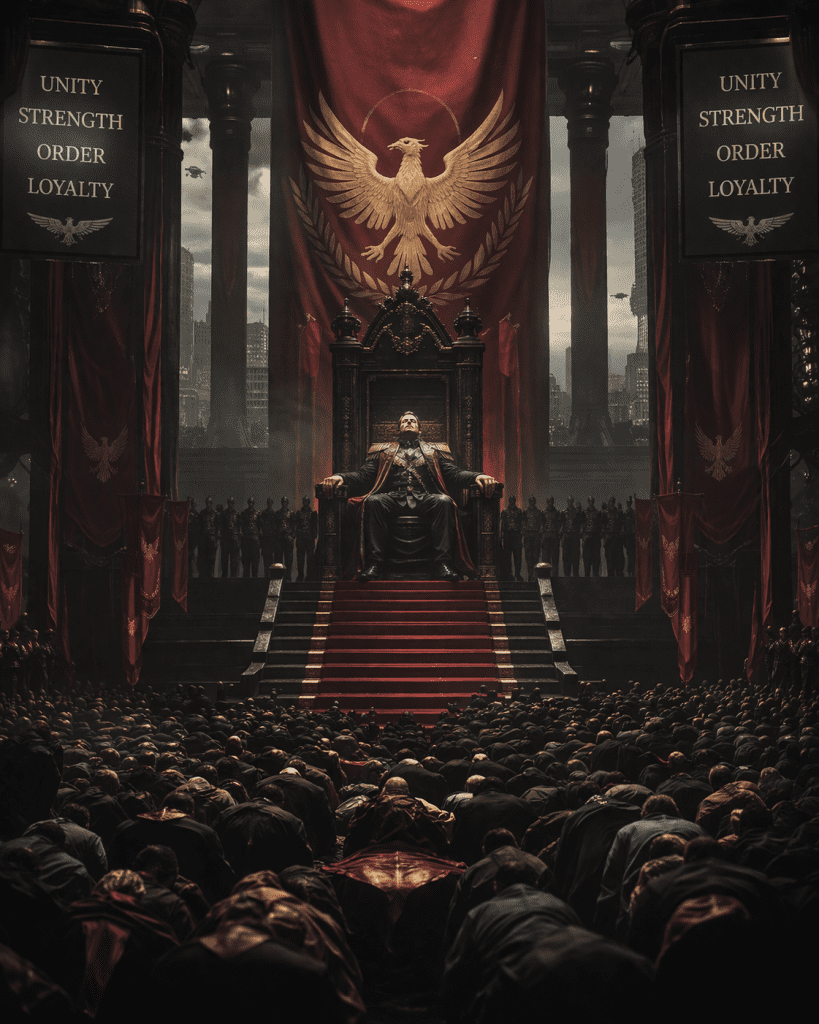
Their job will be to keep everyone else in the loop in line. Otherwise, someone can leave or raise prices as they wish.
In a closed economic system, everyone in the system will be ‘wealthy.’ And everyone not in the loop will be ‘poor.’ The demarcation between the peoples forms naturally and unnaturally. This is where all the various ‘isms’ comes from. Here in this country, people are generally excluded from the loop by race and sex.
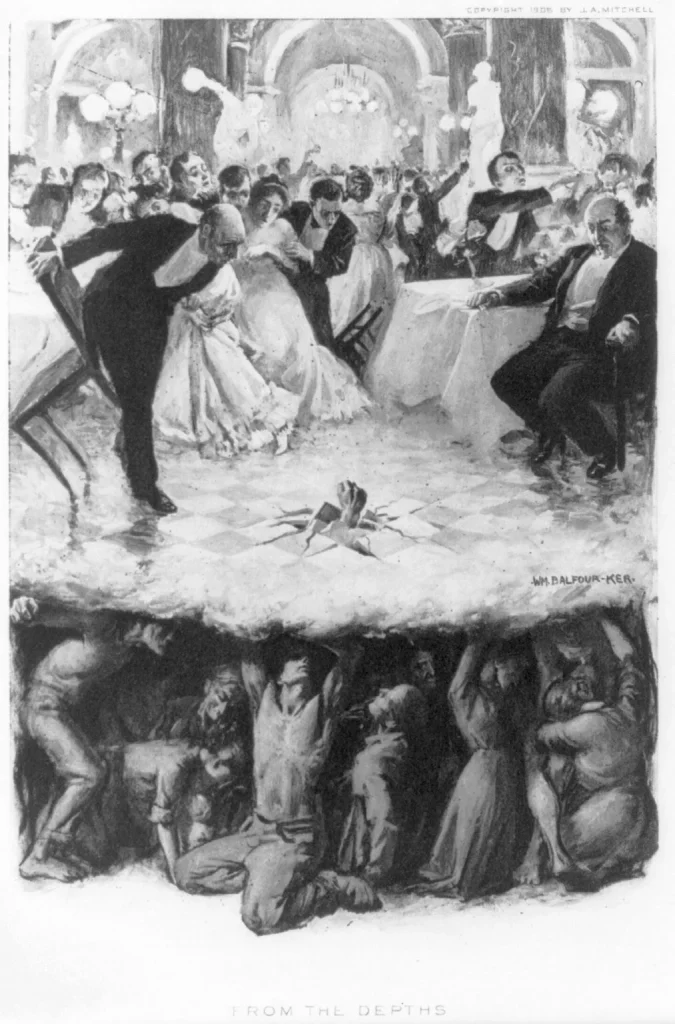
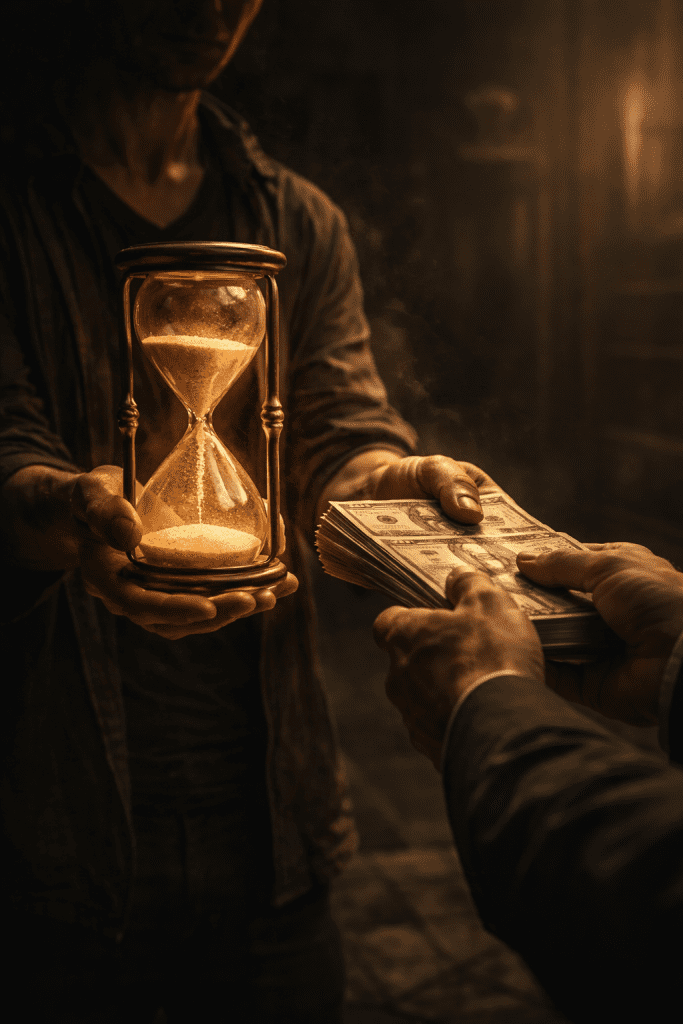
The final thing that I wish to cover about money, is how it’s distributed. The main ways people gain money in this world is either through debt or exchange for goods or services. Nothing on the planet exists in this state. Nothing. Of all the issues with money, this is the harshest of them all. It created indebtedness and servitude.
I’m not the only person who recognizes this. There is currently a movement for universal basic income. Where people get paid money for nothing. I understand the sentiment, but this is doomed to failure. A complex self-sustaining structure of wickedness will stop it before it happens. Even if they succeed, it will fail. Why? Money has no intrinsic value.
So if you give it to everyone…
the system doesn’t become fair.
It collapses.
Is there really someone on the top directing the world?