

People often talk of collective ownership, but it never comes to fruition. This is because collective ownership is the antithesis of what we have now. The only way that it’s possible is with our own banking apparatus.
In addition to this, we need a new Federation bureaucracy, the Property Commons. What does this org do? Well, functionally, they are property managers, where you can buy micro portions of a property. As managers, the organization gets 10% of the rental income.
Like all other Federation organizations, they must be free from influence, and be open to all jurisdictions. This is to insure openness and fairness. There can be a great deal of fraud associated with real estate.
Since ownership can be fluid, we’ll look at collective ownership of three different properties.
🏠 Example 1 — Two-Family Home (NYC)
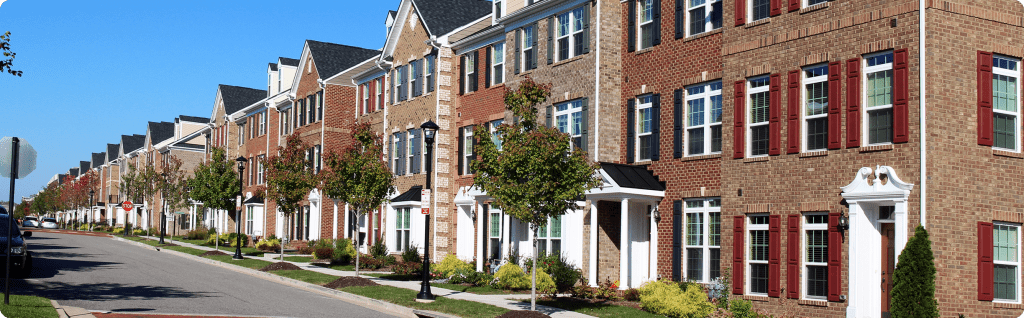
Like most ownership models, exceptions can be made to encourage economic growth locally. So people closer to the home may be able to get a slightly higher percentage than everyone else. Each jurisdiction can make carve outs, but as we’ll see in coming transmissions, it’s better to have more people owning a thing than less.
📊 Assumptions
- Purchase price: $1,200,000
- Units: 2
- Rent per unit: $3,000/month
👉 Total rent: $6,000/month = $72,000/year
💸 Expenses (realistic NYC)
- Property tax: $12,000
- Maintenance: $10,000
- Insurance: $3,000
- Vacancy/repairs buffer: $5,000
👉 Total expenses: $30,000/year
💰 Net Income
👉 $72,000 − $30,000 = $42,000/year
🏢 Org Fee (10%)
👉 10% of profit = $4,200
💵 Distributable Income
👉 $42,000 − $4,200 = $37,800/year
🌍 Ownership Model
👉 100,000,000 owners
🧮 Individual Share
Ownership cost per person:
👉 $1,200,000 ÷ 100,000,000 =
$0.012 (1.2 cents)
Annual income per person:
👉 $37,800 ÷ 100,000,000 =
$0.000378/year
🧠 Meaning (important)
Ownership is universal — but income is proportional.
🏢 Example 2 — 100+ Unit Building (NYC)

📊 Assumptions
- Units: 120
- Rent per unit: $2,500/month
👉 Total rent:
$2,500 × 120 = $300,000/month
👉 $3.6M/year
💸 Expenses
- Taxes: $600,000
- Maintenance: $500,000
- Staff: $400,000
- Insurance + reserves: $300,000
👉 Total: $1.8M/year
💰 Net Income
👉 $3.6M − $1.8M = $1.8M
🏢 Org Fee (10%)
👉 $180,000
💵 Distributable
👉 $1.62M/year
🌍 Ownership Model
👉 300,000,000 owners
🧮 Individual Share
Ownership cost:
Assume building value = $40M
👉 $40M ÷ 300M =
$0.13 per person
Annual return:
👉 $1.62M ÷ 300M =
$0.0054/year
🧠 Meaning
Scale increases access — not individual dominance.
🏟️ Example 3 — Stadium (Collective Ownership)
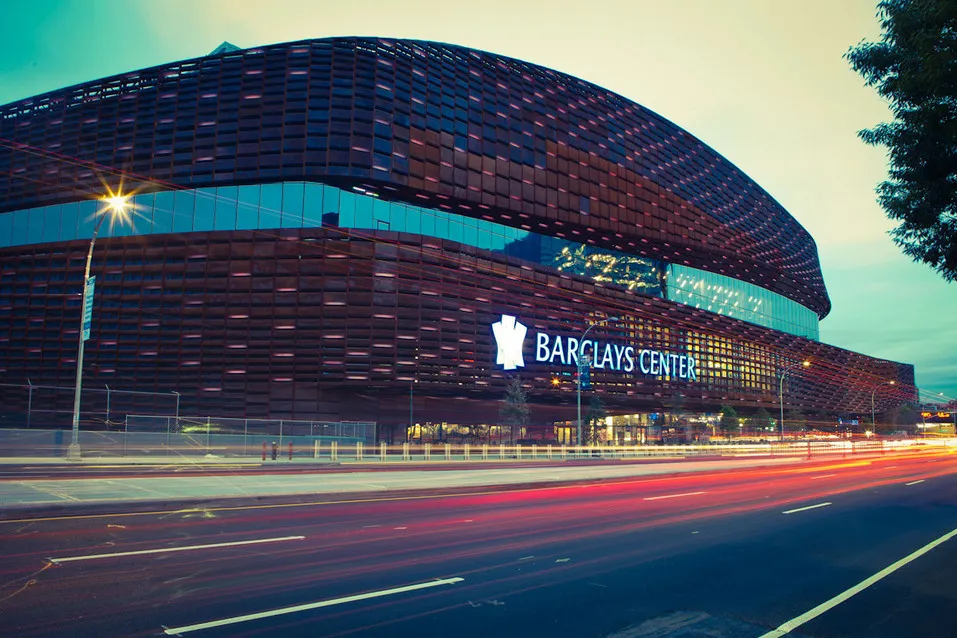
Let’s model something like Barclays Center. A few years ago, many people were furious that a stadium was being built in Brooklyn. Apart from all of the criticisms, one stood out from the rest, a handful of rich white guys transformed a neighborhood, for their own benefit. They said Jay-Z was also an owner. When it was fully built, Jay-Z sold his shares, and it was just the white guys.
What if we allowed collective ownership? This is the first example where we can get something other than money. Potential owners can get ticket or other merchandise. This way, the dollars remain in NYC.
Also, there needs to be a new Federation organization. This one will specifically manage and operate the stadium. They will get 30% of the profits.
📊 Assumptions
- Annual revenue: $500M
- Costs: $350M
👉 Profit: $150M
🏢 Org Fee (30%)
👉 $45M
💵 Distributable
👉 $105M/year
🌍 Ownership Model
👉 1,000,000,000 people
🧮 Individual Share
Ownership cost:
Assume value: $2B
👉 $2B ÷ 1B =
$2 per person
Annual income:
👉 $105M ÷ 1B =
$0.105/year (~10 cents)
🎟️ Alternative: Ticket / Credit System
Instead of cash:
👉 convert profits into access
🎫 Example Distribution
$105M profit → ticket pool
- Avg ticket value: $100
👉 = 1,050,000 tickets/year
👤 Per person
👉 1,050,000 ÷ 1B =
0.00105 tickets/year
🧠 Meaning
- Most people get nothing directly
- BUT participation enables:
- lotteries
- rotation
- credits pooling
🔥 Important to Remember
As ownership expands, individual return decreases — but access increases.
With micro ownership, a person can own hundreds of properties for under $20. In this way, it’s easier to go parabolic in money. Which is fundamentally the limitation of money.
Let’s end on the lie the world is forced to live under.