
Every once in a while, something happens.
A discovery.
A breakthrough.
A moment where the future quietly shifts.
Recently, there was one.
A materials discovery that allows seawater electrolysis without degradation.
That might not sound like much at first.
But it changes everything.
For a long time, extracting hydrogen from seawater has been difficult.
Salt corrodes systems.
Electrodes degrade.
Efficiency drops.
Now—those barriers are gone.
When I first heard it, I was excited.
Not a little excited.
The kind of excitement where your mind starts racing ahead of the present moment.
Because I could see it.
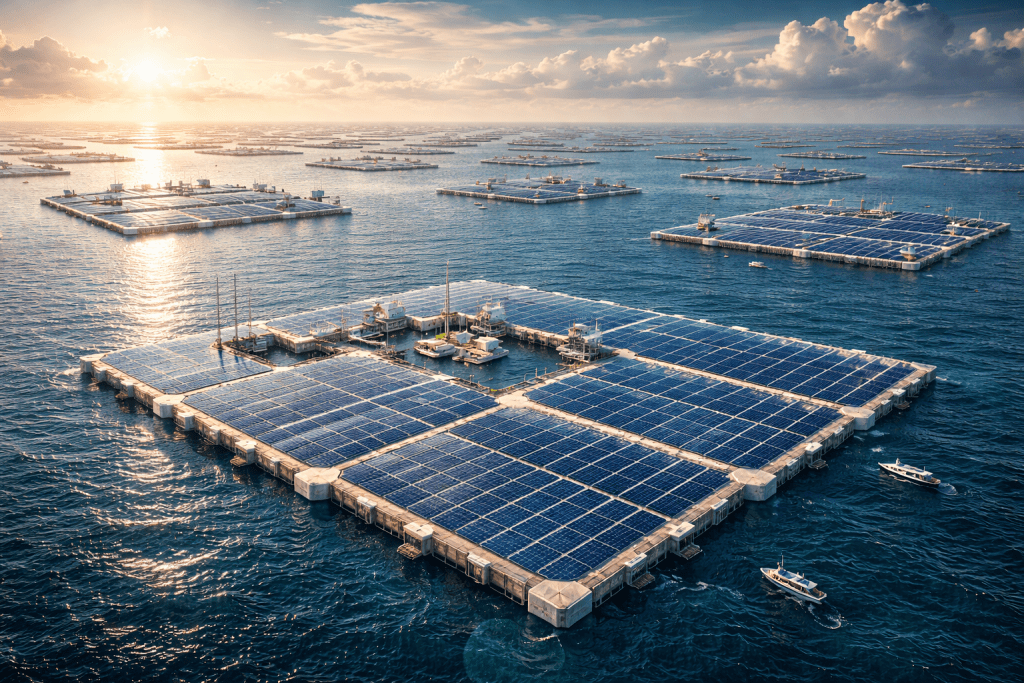
We could place floating platforms across the ocean.
Simple structures.
Modular. Scalable.
Plastic flotillas covered in solar panels.
The sun provides the energy.
Seawater provides the input.
Electrolysis produces hydrogen.
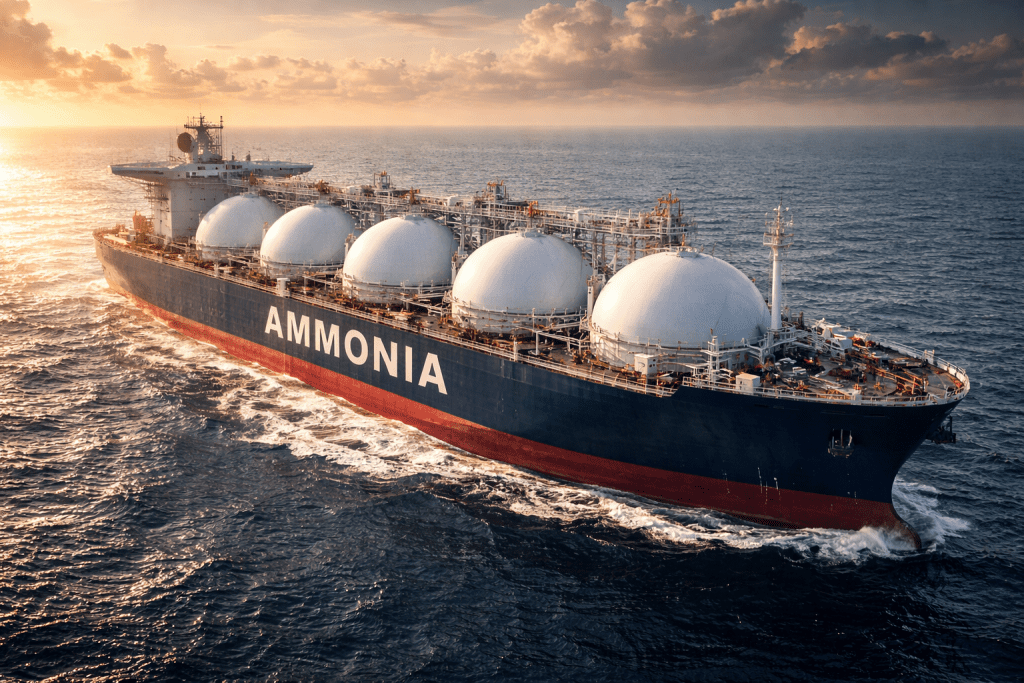
That hydrogen can be converted into ammonia—
a stable, transportable fuel.
From there, everything changes.
Energy becomes something we generate passively, at scale.
Not extracted.
Not fought over.
Generated.
And the ocean is vast.
We would not need much of it.
A fraction.
A small fraction.
Less than one percent of the ocean’s surface
could theoretically generate enough energy
to power the entire planet.
Think about that.
A system that runs quietly, continuously.
No scarcity.
No territorial conflict.
No need to compete over access to fuel.
It was all there.
And then I saw what we did with it.
We used it…
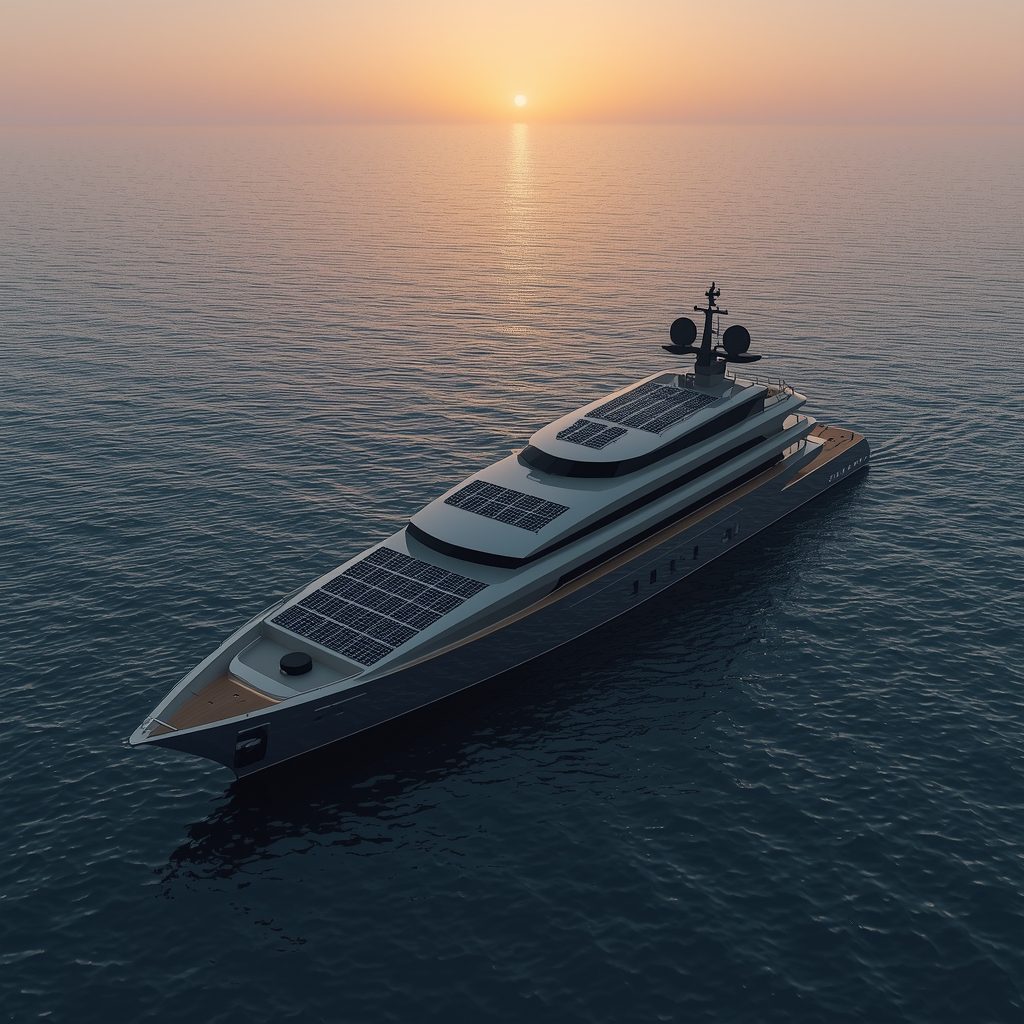
to build solar-powered yachts.
Luxury vessels.
Private comfort.
A refinement of the same system we already have.
And something in me dropped.
Because the issue isn’t that people build yachts.
The issue is that when something truly transformative appears,
we don’t apply it to transformation.
We apply it to optimization.
We take something that could change the foundation of survival—
and we use it to refine the system that keeps people inside it.

That’s the pattern.
Again and again.
Abundance appears.
And we shrink it.
Not because the technology isn’t capable.
But because the system we exist within
prioritizes limited access.
So even breakthroughs that could dissolve scarcity
get absorbed into the same machine.
And that’s where the feeling comes from.
Not just sadness.
Not just anger.
But recognition.
We are not limited by what is possible.
We are limited by how possibility is used.
The question is no longer:
“Can we solve these problems?”
We can.
The question is:
Why don’t we?
And the deeper one:
What would have to change…
for us to actually use what we discover
to free ourselves?