
Every economy runs on energy.
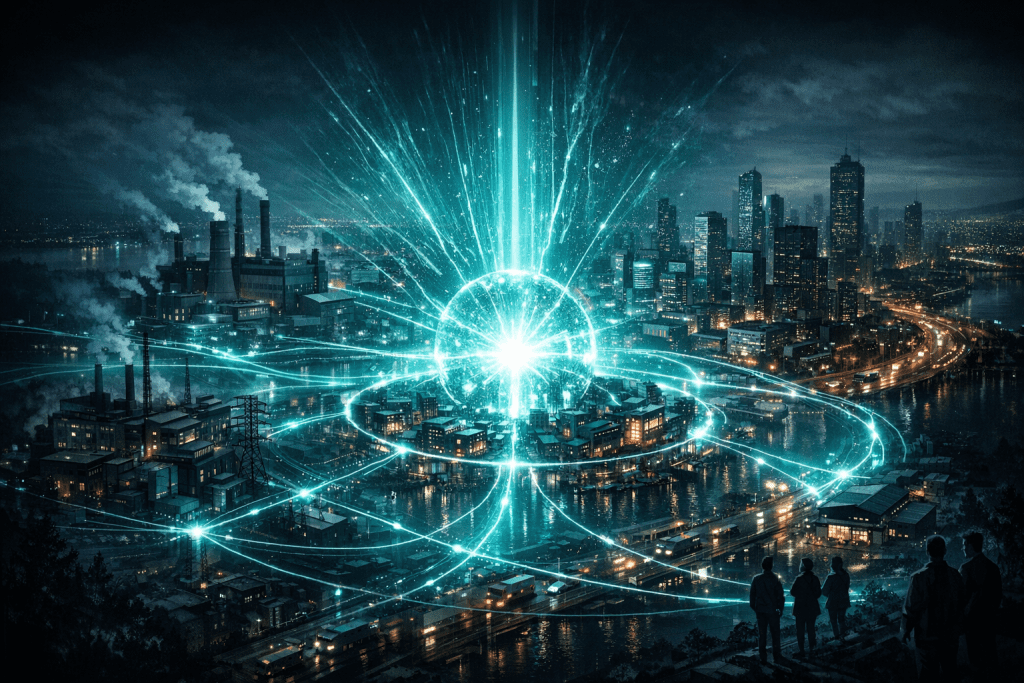
Homes require it. Businesses depend on it. Factories cannot operate without it. Every good and every service is, at some level, a transformation of energy into something useful.



Yet energy is rarely used as the unit of value.
Instead, economies rely on abstract currencies—systems that can expand, contract, and detach from the physical processes they are meant to represent.
This creates instability.

In this system, electricity becomes the reference point.
Ownership of reactors produces energy, measured in kilowatt-hours. That energy can be used directly, or it can be exchanged.
If enough participants are involved, something simple happens:
Everything can be priced in energy.
This is not theoretical.
Every product has an energy cost:
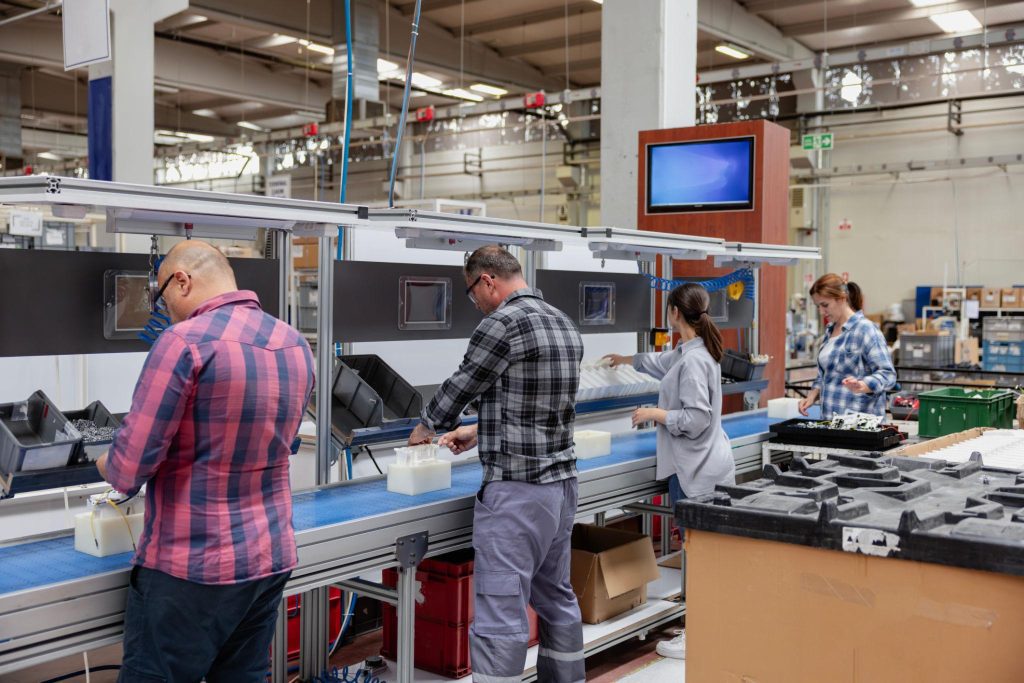
Manufacturing requires electricity
Transportation consumes energy
Storage and operation require ongoing power
These costs may be hidden behind layers of pricing, but they exist and can be measured.
When energy becomes widely owned and widely traded, it becomes a natural unit of account.
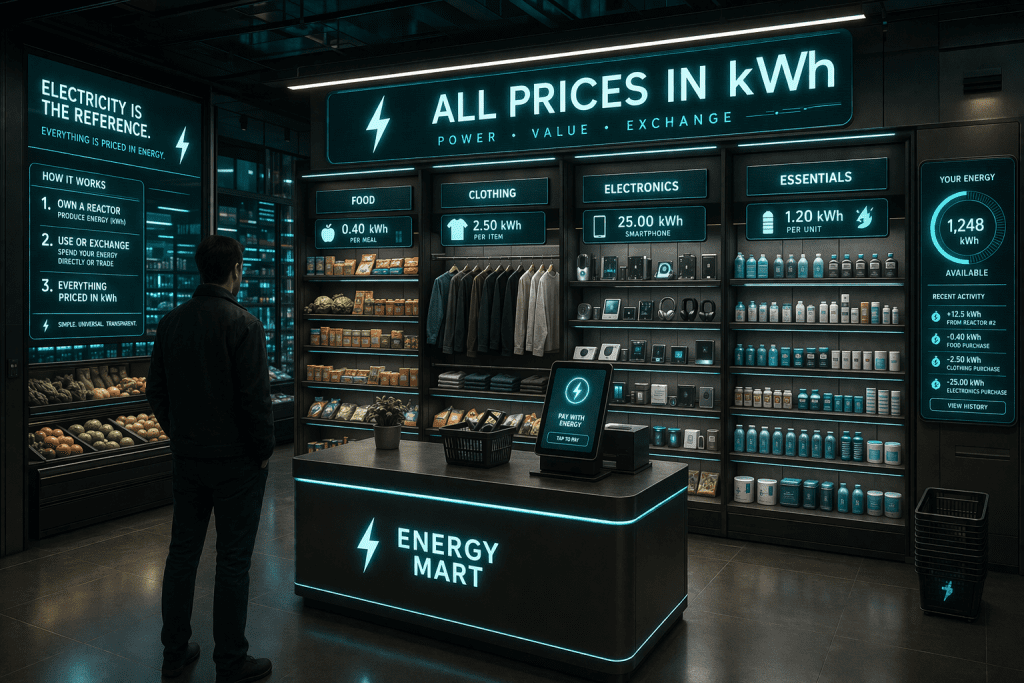
Electricity functions as currency because of its utility.
Unlike abstract money:
It is always in demand
It is continuously produced
It is measurable and consistent
There is no scenario where energy demand disappears.
Transactions can take multiple forms:
Immediate exchange: energy for goods or services
Conversion: energy exchanged for traditional currency
Forward contracts: future energy committed in exchange for present value
A person can purchase an item by committing a portion of their future energy production. A business can accept energy as payment, knowing it will be consumed or resold.
The system expands without requiring a new abstract unit.
The presence of energy as a tradable resource creates a stabilizing effect.
There are two forces in the system:
The rate at which individuals accumulate wealth
The rate at which energy production expands
Both can grow rapidly.
But energy is tied to physical reality.
The energy required to produce a good does not change arbitrarily. It is constrained by real processes.
If financial value grows faster than energy production, instability appears.
Prices drift. Markets stretch.
But participants have an alternative.
They can return to energy-based exchange.
Energy acts as a backstop.
If currency becomes scarce, trade does not stop. Individuals can exchange energy directly. If currency expands too quickly, energy provides a reference that pulls pricing back toward reality.
Stability is not enforced.
It is approached.
As energy production increases, this effect strengthens.
More local energy means:
More production capacity
More tradable value
More economic resilience
A system with abundant, distributed energy is difficult to destabilize through monetary imbalance alone.

This does not eliminate risk.
Infrastructure can fail. Governance can break down. Systems can be mismanaged.
But the failure of currency itself is no longer enough to halt economic activity.
As long as energy is being produced, value continues to move.
This is the shift.
Money becomes one way to measure value.
Energy becomes the underlying one.
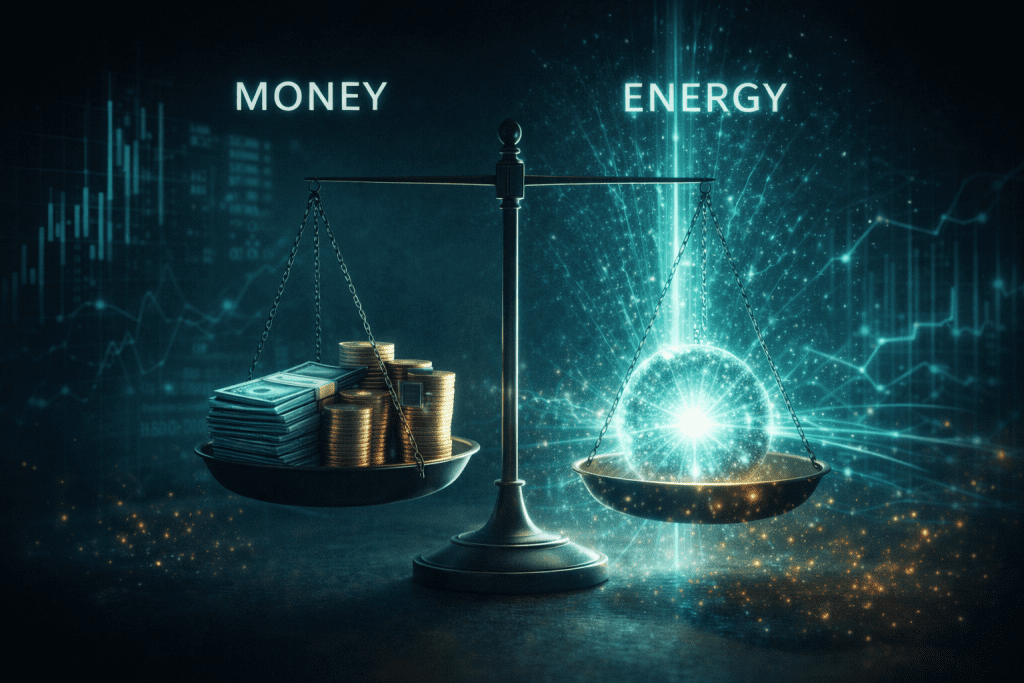
At scale, the distinction matters.
An economy priced in abstractions can detach from reality.
An economy anchored to energy remains connected to the processes that sustain it.
Everything already runs on electricity.
This system simply makes that visible.
And once it is visible, it becomes usable.